
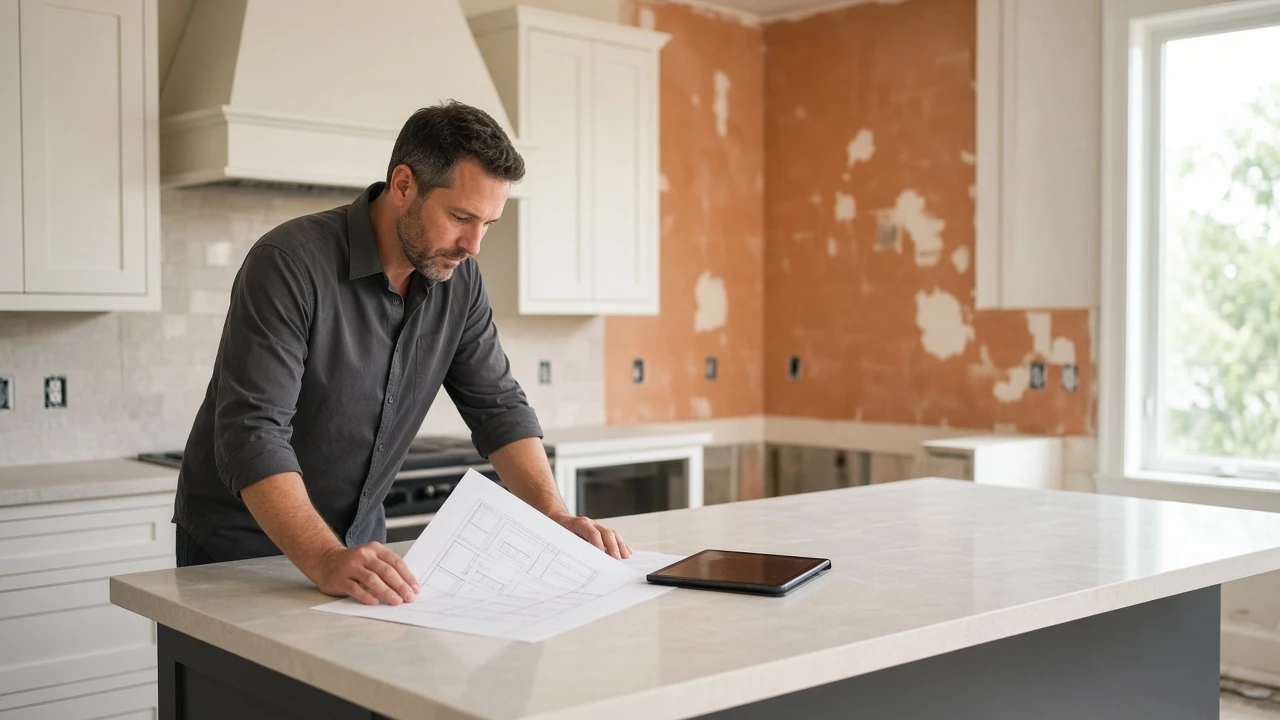
In the last five weeks, three separate sources have described the same market. Harvard's remodeling forecast says spending stays flat through late 2027. Lowe's CEO says homeowners are putting money into repair and maintenance rather than major renovation. Angi, the biggest home services marketplace, is selling fewer leads to fewer contractors.
If you own a high-ticket remodeling company, none of that means the sky is falling. It does mean 2027 will not hand you growth for free. I'm Zohaib, and here is what the latest data says, what it does not say, and how I would plan lead generation around it.
What the forecasts and surveys say
Harvard's LIRA is flat. The Joint Center for Housing Studies released its latest Leading Indicator of Remodeling Activity on October 22. It expects annual spending on home improvements and repairs to stay relatively flat through late 2027, with year-over-year growth reaching just 1.5 percent by the third quarter. Rachel Bogardus Drew, who directs the Remodeling Futures Program, said the center expects annual spending to hover around $525 billion through the third quarter of next year. The reasons she gave: retail spending on building products is flat to negative and remodeling permits have stagnated. The next release is January 21, 2027 (Harvard JCHS).
Remodelers themselves are cautious, not gloomy. The NAHB Remodeling Market Index came in at 62 for the third quarter, up one point. The component for large projects of $50,000 or more rose two points to 66, and the leads and inquiries component rose two points to 53. NAHB Remodelers Chair Elliott Pike also noted that economic uncertainty is making some potential customers hesitant to move forward. NAHB's chief economist expects remodeling to hold steady in 2026 and grow slightly in 2027 (NAHB). Keep in mind that this index measures sentiment, not signed contracts.
The inquiry picture is mixed. The U.S. Remodelers Index from Qualified Remodeler and John Burns Research and Consulting surveyed 478 remodelers in late September. It found that 51 percent reported fewer project inquiries than normal, up from 46 percent the previous quarter. Demand was weakest in the entry-level price tier, while luxury, premium and mid-range demand held up better. Homeowners renovating instead of moving were rated above normal by 59 percent of respondents, and design-build backlogs shortened to 5.4 months from 5.9. Labor costs rose 11 percent year over year (Qualified Remodeler).

Put those together and the market is stalling and sorting. Fewer homeowners are starting projects. The ones who are staying put and can fund real work are still moving, and they are choosing contractors carefully.
What the big home improvement executives are saying
Lowe's. Comparable sales rose 1.8 percent in the third quarter. In an interview with CNBC, CEO Marvin Ellison said that DIY and pro customers are not investing in major renovation projects and are spending on repair and maintenance instead. He also said Lowe's plans to take share regardless of the macro environment (CNBC).
Home Depot. Comparable sales rose 2.2 percent. The average ticket rose 3 percent while customer transactions fell 0.5 percent, and transactions over $1,000 grew 4.5 percent (Home Depot). Coverage of the call described continued pressure on larger remodeling projects. It also noted that Home Depot is expanding relationship management tools that give its teams visibility into contractors' projects and purchases (Hardware Retailing). The biggest retailer in the category is investing in the contractor relationship.
Angi. Third-quarter leads fell 17.6 percent to 4.5 million, and active U.S. pros fell 14.4 percent. Revenue per lead rose 9.8 percent to $47. CEO Mike Steib said unbranded search, the traffic from people typing a plain "plumber" or "roofer," has fallen about two-thirds since 2023 because of changes to the Google search experience, and now makes up about 5 percent of Angi's service requests. He also said the company is shifting toward larger pros, who "often have these teams and sophisticated technology that they put to work to make sure an inbound lead turns into a job" (Angi Q3 2026 call).
A marketplace is telling its investors that the contractors who win are the ones with a process for turning inquiries into jobs.
Five moves for your 2027 lead generation plan
1. Plan around cost per signed project, not cost per lead
In a flat market, a cheap lead that never reaches the kitchen table is a loss. Track every campaign through the full path: lead, booked estimate, held estimate, proposal, signed project. Then judge spend by cost per held estimate and cost per signed project. If your booked estimates are not flowing back into Meta and Google, the platforms are optimizing for form fills, not for your calendar. Clean campaign naming makes this readable, and I covered the pattern in UTM names that keep remodeler campaigns readable.
2. Aim at the homeowner who is staying and has a way to pay
Harvard's November 4 analysis of the 2023 American Housing Survey shows how large projects get funded. Cash covered 63.8 percent of improvement spending overall, but on projects costing $50,000 or more, cash fell to 57.0 percent and equity-based financing rose to 18.8 percent. Equity funded 24.3 percent of spending on room additions and about 15 percent on kitchen and bath remodels. Contractor-arranged financing covered just 3.3 percent of spending overall (Harvard JCHS).
That is 2023 data, so treat it as a pattern, not a current reading. The pattern is still useful: your best prospects are owners who are not planning to move and have built equity. Build ad messaging around staying in the home and improving it, and let your page ask about budget range and timeline before the calendar opens. That keeps the budget-shoppers off your estimator's schedule, which I wrote about in Facebook lead quality for kitchen and bath remodelers.
3. Own the searches that carry your name
If Angi's unbranded search traffic dropped by two-thirds, it is fair to ask whether plain service searches are doing the same to you. Check your own search data. Meanwhile, the traffic that tends to hold up is local and branded: homeowners who heard your name from a neighbor, a yard sign or an ad, and then look you up. Make sure what they find agrees with what you told them. Your Google Business Profile, your reviews and the page you send paid clicks to should all describe the same company, the same towns and the same work. The checklist is in Check the Google Business Profile before local ads.
4. Treat speed and silence as competitive factors
On r/Contractor this month, one homeowner asked why contractors confidently say yes to a job and then go quiet. Their complaint was not scheduling, it was communication. A newly licensed contractor in another thread described a sharp slowdown in late October and November and said about 80 percent of their jobs had come from a single channel that had changed its rules (thread 1, thread 2). Those are small samples from a forum, not a survey. But they point the same way as Steib's comment: the job is won in the response.
When fewer homeowners are shopping, each one gets more careful, and the company that answers quickly, confirms the visit and sends a plain update stands out. Set a response target for new leads, put reminders around every scheduled estimate, and send a short, honest note to anyone you cannot take on. The system I would build is in A CRM follow-up system for remodeler estimates.
5. Match ad spend to crew capacity and current costs
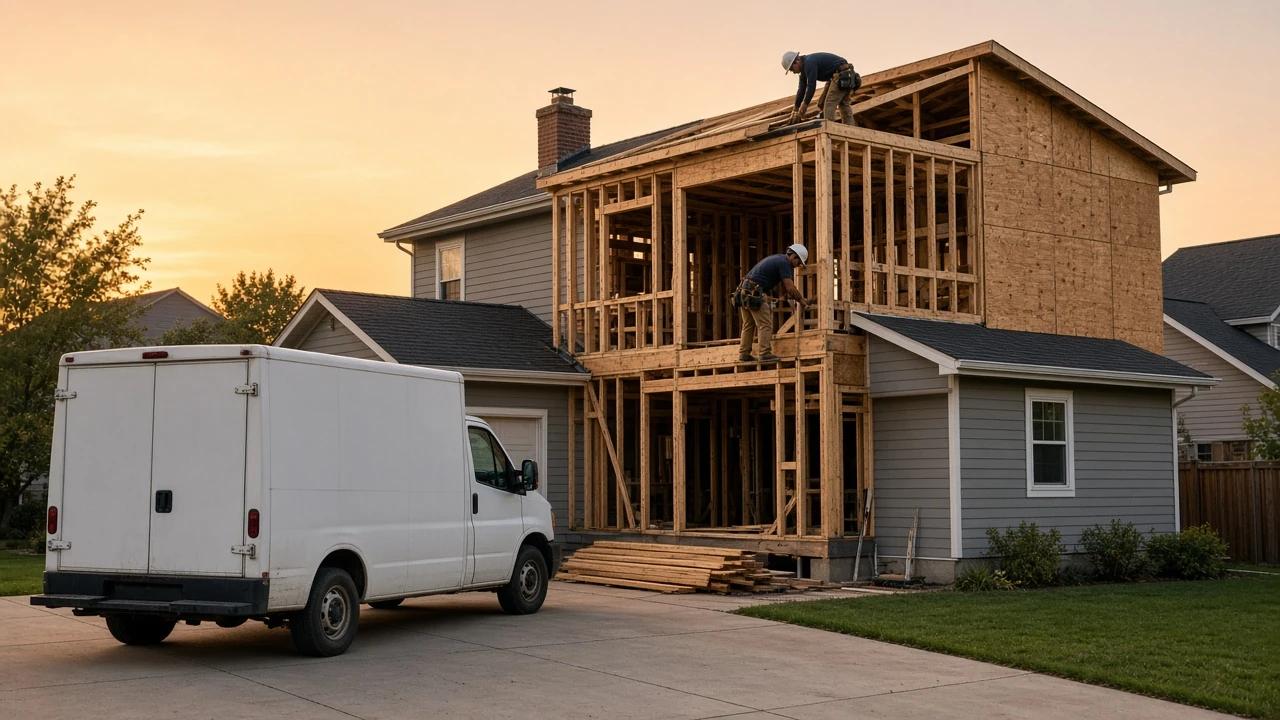
The USRI found prices rising 4 to 9 percent and labor costs up 11 percent, with 41 percent of remodelers finding workers harder to hire. NAHB's chief economist said labor shortages are extending the time it takes to finish projects. If you scale lead volume past what your crews can produce, you create long waits, unhappy sold clients and estimates priced on last year's costs.
Before you raise budgets, check three numbers: your production backlog in weeks, your gross margin on projects sold in the last 90 days, and how many new estimates your team can run well each week. Let those set the ceiling for ad spend.
A short checklist before January
Harvard's next LIRA arrives January 21, 2027, and Lowe's has said it will share more about its growth plans at an investor conference in December (PR Newswire). Before then:
- Pull the last 90 days of leads and sort them by outcome: no response, booked, held, proposal, signed.
- Confirm that booked estimates are sent back to your ad platforms.
- Review how long a new lead waits for a first response, including evenings and weekends.
- Check that your Google Business Profile, site and landing page tell the same story.
- Compare your production capacity to your planned ad budget.
Frequently asked questions
Will remodeling demand fall in 2027?
The sources above point to a flat market rather than a collapse. Harvard expects spending to hover around $525 billion through the third quarter of 2027, and NAHB projects slight growth in 2027. Large discretionary projects are the part under the most pressure, according to the retailers.
Should I cut ad spend in a flat market?
Do not decide based on cost per lead alone. Compare cost per held estimate and cost per signed project, then check your crew capacity. A campaign that books fewer but better estimates may deserve more budget than a cheap one that fills your calendar with visits that go nowhere.
How do I compete with Home Depot and Lowe's for high-ticket work?
On large remodeling projects you are rarely competing with a retailer for the same customer. Both retailers are putting their energy into Pro programs, delivery and loyalty. Your edge is trust, a clear process and speed in answering a homeowner who is planning a large project.
What should I track every week?
Leads, first response time, booked estimates, held estimates, proposals sent and signed projects, each tied back to the campaign that produced it.
Want a second set of eyes on your 2027 plan?
If you want to walk through your numbers, book a strategy call. It is 30 minutes, and you talk directly with me. We will look at your ads, your follow-up and your market, and I will tell you where I think the booked estimates are leaking.
Muhammad Zohaib Iqbal is the founder of NexBhullah, where he personally takes strategy calls with remodeling company owners.